
The Elberton Star and WSGC Radio partnered April 30 to hold a political forum to give the local contested Board of Commissioners and Board of Education candidates the chance to share their platform.
The Star and WSGC received over 30 submitted questions from the public, and due to the large volume, asked each candidate five questions pertaining to the major topics submitted. Candidates were given one minute to answer each question:
Board of Education District 2
Q: Behavior has been discussed as a problem within the district on social media and around the rumor mill. What do you think the board of education’s role is in ensuring their employees are properly equipped to enforce discipline within the schools?
Henry Mattox: “Discipline, first of all, starts at home, but when we reach the schools, we've got to give our staff, teachers, everyone in that organization the tools that they need. It starts with safety there when we walk through those doors. It starts with a board that, in the current situation, has [school resource officers]. And in those situations, whether that SRO resides within the school system or under our sheriff's department, we've got to allow them to do the things that they need to do when it comes to discipline at a certain level. And then we've got to take action with our local resources and our local administrators to set those parameters. And then whatever that goal is, when it succeeded, we enforce that based upon preset standards. Right now, I don't think that's taking place. We've got to enforce discipline. First of all, though, as I said, discipline starts at home. We've got to get our parents involved so that we don't have disciplinary problems when we reach the school.”
Hannah Williams: “Well, I can assure you that that's not just Elbert County, because I’ve talked to other school districts as well. But as a board, it is our job to hold the superintendent accountable. We're supposed to set policies and procedures for them to follow, and we are supposed to make sure that the superintendent is running that school district the way that it should be run.
We also need to make sure that we have adequate SROs and safety measures in the schools, which I feel that we have done, whether it's under the sheriff's department or the school district. I feel that my children are 100% safe at school. Discipline does start at home, but 10 teachers can only do so much, and that is where the administrators and the superintendent and the teachers have to work together to do what's best and to handle the disciplinary issues.
Clint Dye: “I'm going to make this very, very difficult, because discipline was a hard time in my household when I was growing up. Discipline starts with, ‘Do you want it or not?’ That's the simple part about it. My mom and dad wanted discipline. They wanted me to be respectful, which is the keynote of discipline that anybody's ever seen. Go out to a football field and see how that works for you. Talk back to the football coach and see how long that works out for you. Okay, so now let's go back to what we're giving our teachers. How about we not import criminals with criminal records and put them in general population classrooms? How about we don't set them up with that situation? How about we don't allow that? Is that that hard to do? Are you just safe, and that money just ain't worth it? I'm not going to bring a kid who's not allowed to attend because of a violent past, and put him in a classroom and ambush a teacher— also ambushing the students that are in that classroom with him. And you don't get to tell me that ain't what happened, because it is. That’s why my daughter's not there.”
Q: Years ago the school superintendent was elected by the voters. Now the superintendent is appointed by the board. What are your thoughts of giving this decision back to the voters?
Williams: “I feel that the way we do it here in Elberton is a great way. We as board members are elected by our constituents, and it is our job to pick the best option for our school district, to run our school district. We have interviews, we do a lot of digging. We did that within this last term for me, and a lot of grunt work goes into that. And I just feel like the board is elected and that we do a great job as far as deciding who needs to run our school system, because we already kind of know the ins and outs of what they need to do.”
Dye: “I like that. Give the power back to the people. Because the expectation that people have when they vote for school board and the school board says they're going to pick somebody, is the school board's not going to go into an executive session and do something behind closed doors. It's open to the public. You're picking someone who's going to determine what the children's outcome and what the priorities, what those goals are going to be, and if the school board's not capable of doing it, put it back into the power of the people. That's what it's all about. Give the voice back. It's all about who you're capable of. I don't blame him for asking that question. I ask you all the time. Maybe we should be able to have that choice again. Worked out pretty well, I remember [Colonel Charles Lee Dixon, who served two terms as the Superintendent in the Elbert County School System from 1985-1992] walking down the hallways. I can guarantee you, you didn't step out of line when Colonel Dixon comes down the hall.”
Mattox: “I would not be opposed to seeing the superintendent being elected. But given the current situation, when we look at the board, they interview that individual, they appoint that individual. That individual needs to realize that they report to the board. They work for the Board of Education. The Board of Education members do not work for the superintendent. The problem we have right now is we've got to hold that individual accountable. We've got to hold that individual accountable to see the policy that the board is setting, that they're enforcing that and not picking and choosing what to enforce.”
Q: Are you in favor of moving the SROs back to the ECSO, or do you prefer to keep the BOE Police Department?
Dye: “Me, personally, I like trained professionals to handle the job when trained professionals are needed. I think there's a way to do that. I don't know if we need to pay them a half million dollars. I mean, that kind of sounds a little bit funny. But it is a shame that all of a sudden we were doing that through some disagreements and whatever– you know how the rumor mill goes, and that's what you're talking about, right? How we got into the mess that we're in. Well, we untie the hands, we remove some of the criminal element. We do some things that help out.
I think that's the first priority. But yes, I do believe that it should be local law enforcement and not us creating some Mall Cop scenario where kids don't really worry about it and the juice ain't worth the squeeze. I think that's our situation.”
Mattox: “I've had conversations with individuals directly related to this. Our county sheriff's department will do the best job that they can with this without a doubt. The current situation is we've invested a lot of money in recent years with equipment, personnel training, and now we're going to abandon that because we haven't allowed those individuals to do their job. It's not that they're not capable. They haven't been allowed to do their job. I feel that our Sheriff's Department will do an excellent job with it, if that's the decision that the [memorandum of understanding] that’s out there today places us in.”
Williams: “I think that it should be made back under the sheriff's department. We were in a sticky situation years ago, and if something goes down just like [the September 2024 shooting at Apalachee High School], do you want the sheriff's department making these decisions in a crunch that have been trained on this for years? Or do you want a superintendent making these decisions who is in education? I think that our SROs do a wonderful job. They are all doing great at the schools. We're not pulling them out of the schools. They're going to stay in the schools. And they have a good repertoire with the kids. And I think they do an amazing job.”
Q: Do you support building a new high school or making the necessary repairs to update and remodel our current building?
Mattox: “I talked to another gentleman that’s here tonight, and I asked him this question, ‘So what are you wearing tonight?’ And he told me, and as I was driving up here tonight, I thought about this. Mr. Harper, Mr. Etheridge, other individuals here, you gentlemen, look great this evening. But my point is, we don't have to have ‘bright and shiny’ to produce stars. We need quality facilities. We need facilities that accommodate our needs. The thing I've heard is the state says we ought to rebuild in 50 years. How many people in here got a house that's 50 years or older? Are you gonna tear your house down and build a new one? [Audience member answers no] You’re going to maintain it as you go. That's what we need to do. We need to look at what we can do to maintain it. This facility here, the school system had it years ago and it’s still functioning today. We need quality facilities, but we don't have to have the bright and shiny things to produce a star.”
Williams: “I think that something needs to be done about the high school, because we have gotten to where it's gone kind of behind. The bones are good, but then there's a lot of things that aren't. People that have walked through, they know. We have all walked through there, and whether we build or remodel, something needs to be done, and it's going to cost money. I would prefer our children to learn in a nice environment without going crazy. But we really need to think about either building or remodeling. Something has to be done, and the taxpayers do need to know that it will cost money to do that. Even the remodel is very expensive. We all know how that is, but for kids to want to come to school and learn, they need to have a nicer environment than what they're in now.”
Dye: “Have y’all been to the high school gym? Okay, if you're sitting on the bleachers looking back towards the high school, there's air ducts and vents. That ain't mold. That's dust. You know how I know what that is? Because when I was in high school, we used to have to help Billy House clean that. That’d do a lot for them kids, if they didn't have to see that. Clean up something every now and then. How about when you mess up a restroom, you pay attention to who did the messing up, and you actually hold somebody accountable? Then you don't have to worry about that restroom. How about when you have a leaking floor, instead of just going and buying some fans and saying, ‘Well, that'll show them that we need a new high school,’ you actually figure out where the leak’s at and plug the hole. Fix your house. Nancy Hart Nursing Home is where my father was educated. Y'all know how long that building's been down there? Go and tell me how old things need to be thrown out to the pasture now. You're wrong. You ain't gotta spend that capital money. You don't have to put that undue tax burden on the taxpayers. We ain't got that many in this county. Gotta do something with what we got.”
Q: Do you have children in the school system and how did that impact your decision to run for board of education?
Williams: “I have two children. One is currently in the school system. He is a fifth grader. He will be going to middle school next year. And I also have a four year old that will start at the pre-K next year, and my 19 year old graduated last year. Kids are the heart of this county, and they are why I ran for the school board. I didn't really know what I was getting myself into. My eyes have been open to different things, but I've learned that, if my kids are my ‘why’, then everybody else's are too. It's not just about my kids, it's about every single child that walks through those doors at Elbert County, any of the schools. All children need the same opportunity to learn and to grow and succeed in life in this county, not just mine.”
Dye: “I do not currently have a child in the Elbert County school system. I did, as I spoke before. I do have a daughter, and nothing would please me more than being able to put my daughter in a public school again. Number one, I am a huge proponent of public school. It destroyed me to find that I could do a better job in homeschool. But I do believe that one day that we can, with enough hard work, enough willingness to do this. Because one of my greatest things in life was high school. It's where I made my friends, it's where I made my bones. That's where I took my stories out, when I left Elbert County and went to the railroad. It’s what helped me build leadership, and what helped me get them to follow me in the cold weather that you wouldn't even believe. Yeah, I want my daughter to be able to go back to the school. She can't go to it now. And that's why I'm offering my help. That's why.”
Mattox: “Upon my announcing the candidacy for Board of Education, no one asked me this question, but I know this comment was made by several individuals. Why is anybody running for Board of Education when he doesn't have a child in the school system? That is correct, I do not. My son and daughter both graduated from Elbert County Schools. My daughter is standing there now. My children were fortunate enough that they graduated Elbert County Schools. They have both found viable employment here in Elbert County. My kids want to stay home. So many kids in Elbert County want to stay in Elbert County, but they aren't able to. It doesn't make a difference that I don't have a child in school now. I want to support every student in our schools. Most of you out here tonight, I look around, some of you got some years on me. You don't have a child in school, you may have a grandchild in school, but you're here tonight because you're concerned about all students, including your own family.”
Board of Education District 3
Q: Behavior has been discussed as a problem within the district on social media and around the rumor mill. What do you think the board of education’s role is in ensuring their employees are properly equipped to enforce discipline within the schools?
Zeb Worley: “Well, you gotta have policies in place and they have to be followed. Not followed when we want to, or– it's just like state law. We've got a book to go by in law enforcement for our school discipline, that is administrative issues. I feel like the school system has tried to commingle the state law with policies and administrative penalties too much. But the school needs to handle what the book says to do equally across everyone, and they need to back their teachers up whenever they decide to handle disciplinary issues in the classroom.”
Heather Nestor: “Well, just like in your home, you need to be swift with behavior, with discipline, and you need to be consistent. Just like in your home. Kids, they recognize when you're not consistent and definitely when you're not swift. We need to give the teachers and administration the knowledge and the skills to handle these things swiftly and appropriately and to be consistent across the board, no matter what student it is.”
Ryan Albertson: “So in conversations with teachers and constituents, they believe, and the teachers have said, to reiterate what Zeb said, we need to be strict across the board. We need backup. We need to make some examples out of some kids. The kids are very important to me, but we need to– we’ve just got to be consistent, and we’ve got to give the teachers the tools they need for discipline and the administrators to back them up.”
Q: Years ago the school superintendent was elected by the voters. Now the superintendent is appointed by the board. What are your thoughts of giving this decision back to the voters?
Nestor: “I don't want to age myself, but I remember when that occurred. The board members go through a steady process of questioning, answers, investigating school superintendents. Applications from school superintendents is a very in depth process that they go through toto pick a superintendent. I'm not opposed to having it go back to the voters, but I don't want it to be a popularity contest in the voter realm. The board does go through swift– there's a very stringent application process that goes along with picking the superintendent. So I think that's probably the better way to go.”
Albertson: “I do know that the board does have a strenuous process, strenuous application process, strenuous questions, but I do believe we need to put it in the voters’ hands as much as we can. So with the information that I know and the process that I know about, maybe that's something we need to look at.”
Worley: "I'm not opposed to what the constituents want. If they want, in great numbers, come out and say they want the superintendent to be elected. The only issue I see with that is [the superintendent is] only held accountable every four years when the election comes up. If a board that is elected actually hires and has the capability to supervise, manage and hold accountable the superintendent, you have a voice every month, at every meeting that comes up, where it's held accountable throughout, versus every four years at election time.”
Q: Are you in favor of moving the SROs back to the ECSO, or do you prefer to keep the BOE Police Department?
Albertson: “When I first heard this rumor, I was appalled. The time, money and investment we put in our BoE Police Department, but I've learned some valuable information. They were only allowed to do and enforce what they were told to do. If we're going to have a BoE police department, then they need to enforce things to the fullest extent of the law. Now, I believe if it goes to the sheriff's department, it will be enforced.”
Worley: “I want to start off by saying that I think Sheriff Callaway is a very good sheriff. He's super capable of keeping our children safe. The flip side to that is we spend a lot of money on training. I've trained side by side with these guys. I'm friends with them. My job has me in and out of the school. If the school system will quit commingling school policy with state law and let the law enforcement, the SROs, that are in place, do their job, they'll be much more effective. All too often we go over there and are presented with a situation as a backup agency for them, all to find out that we're not going to handle it like this, we're going to handle it like this, because they're going to suspend [the student]. I was like, ‘Well, it's a violation of state law. Let them handle the suspension after they get done with that,’ but we've got elected legislators to put these laws on the books for a reason, and that's their main job is to enforce the law and to keep the school safe. They’re in a unique situation where they don't have any other responsibilities other than keep the schools safe. And I think when you have a separate agency, you're better off.”
Nestor: “Well, in any decision that you make, there's pluses and minuses, pros and cons with every decision. So I can see both sides of that. I do feel like Jamie Callaway is an excellent sheriff, and he would be more apt to be more consistent with the things that's going on in the schools. So I think that going with the sheriff's department is the best thing for Elbert County.”
Q: Do you support building a new high school or making the necessary repairs to update and remodel our current building?
Worley: “Building a new high school is a big undertaking. It's a complex decision. It's a tremendous amount of money. The rumor mill going around is what we've got is a facility over 50 years old, we just need to rebuild it. It was brought up earlier, how many of y'all live in houses or 50 years old? Y'all are not going to tear them down and start over. I don't see how we afford it, short of straddling the taxpayer with a multi-year note to try to finance it because the numbers that have been kind of thrown around are $80 to $100 million. I haven't heard anything about what it would cost to get our current facility into good shape. So on the surface, it's too big a decision just to say ‘Absolutely not,’ but I don't see how we're able to afford it without stranding the taxpayers.”
Nestor: “Like any decision, there's pros and cons. There were several plans brought into place, one building a new high school and one remodeling. There are pros and cons with all those things. What I would like to see happen is that we actually look at the dollar amounts for each option and see where our money is best spent. Because you don't want to throw good money to a bad facility, but you do want— I go to a church that's over 200 years old. So I believe in history, and I believe in preserving things. So I'm not quick to build a new high school, but we need to look at all the options. Weigh all the options. Look at the money. Because you get money from the state. There's different things, there's different options, different money, and we need to look at all those.”
Albertson: “I've attended a couple of meetings about the new high school, and I have notes in this book. What appalled me about some of it was some of them, we only had one bid. So we don't know exactly at that time what would be the best route? We only have one bid to remodel. We only have one bid for a new school. And I know there's a lot of details to be worked out, but the taxpayers of Elbert County– they need a break. We need a break to catch our breath before we talk about building a new school.”
Q: Do you have children in the school system and how did that impact your decision to run for board of education?
Nestor: “I feel like all of the students in the Elbert County school system are my children. I do not have any children, I have grandchildren in the school system, but my youngest child graduated in ‘22 and he's fixing to graduate UGA this year. But I do have grandchildren in the school system, Sierra's in kindergarten, and I have a 16 month old at the house. But I feel like all the kids, when they come to the board meetings and we celebrate their achievements, the basketball team, the baseball team, the wrestling team, the artists that are displayed. I feel like all those kids are my kids. At graduation, when I'm sitting on the field with them, I feel like every one of them belongs to me.”
Albertson: “As I said earlier, I do not have any kids in school here, but I have told this numerous times, the 3,000 most important people in this county, next to my family, are the students in our schools. Because that's where our next workers are coming from. That's where our next leaders are coming from. We need to give them every tool that we can to make better leaders for our community.”
Worley: “My son is graduating this year, so I guess he's still enrolled, that graduation hasn't happened yet. So I do have one there. It impacted me a little bit on the decision to run between what I've seen, my job has me in, on or about the campuses daily. My involvement with other stuff, and the stories he tells and brings home to me all kind of line up and show the same pattern of the stuff that I want to get on this board and try to get fixed, and to right the ship in some way.”

The Elberton Star logo
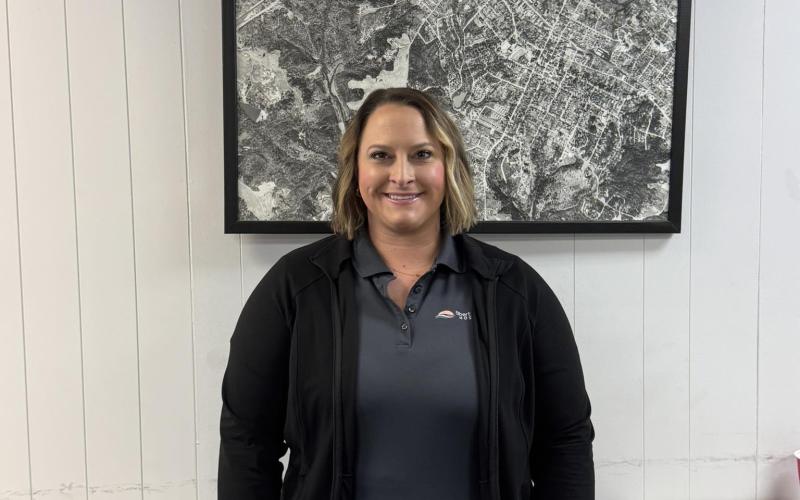
Hannah Williams
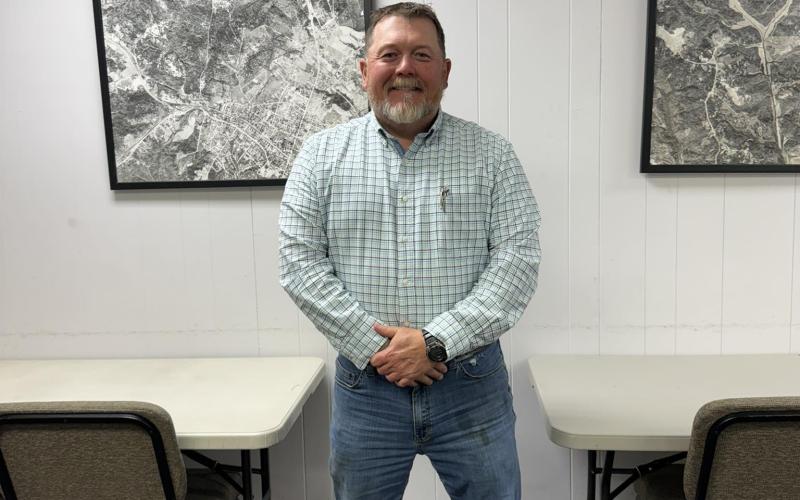
Clint Dye
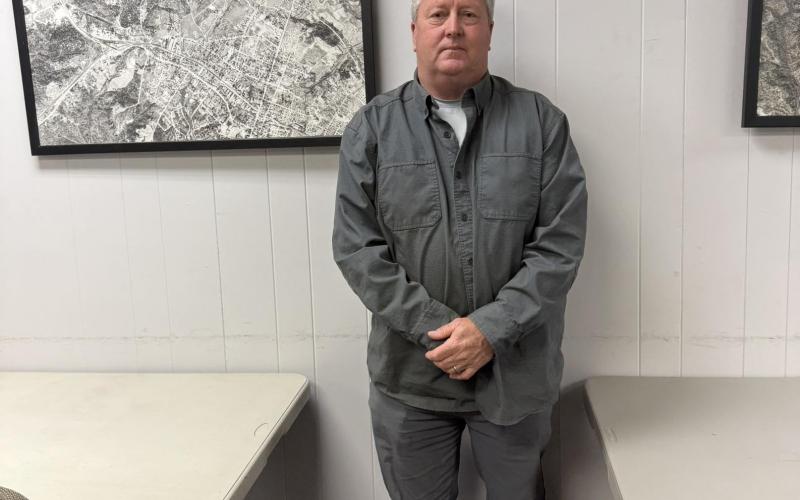
Henry Mattox
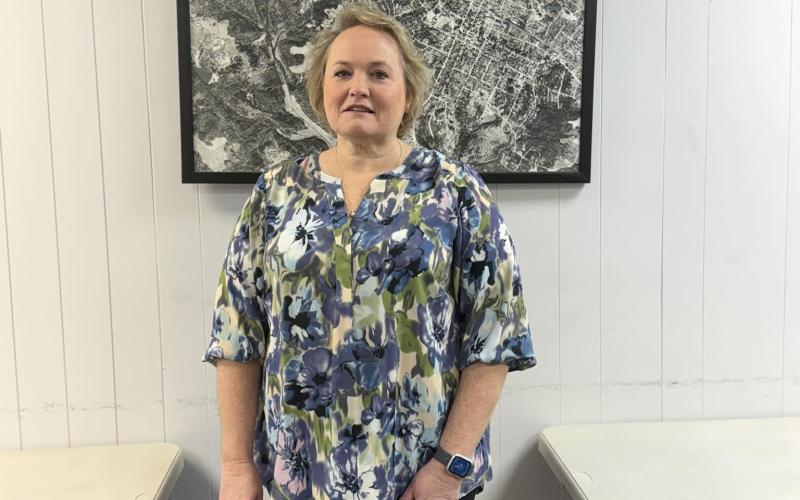
Heather Nestor
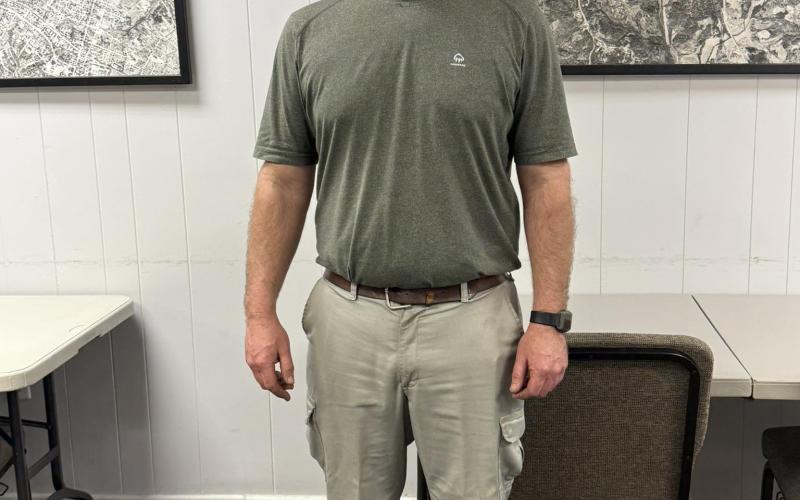
Ryan Albertson
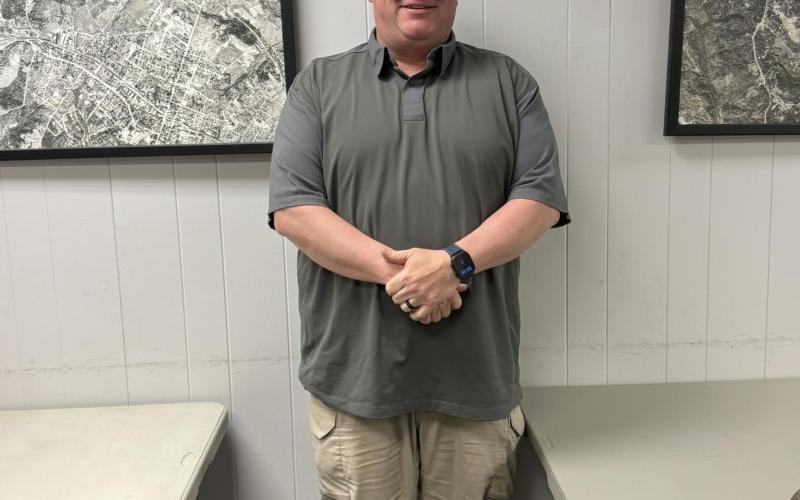
Zeb Worley